
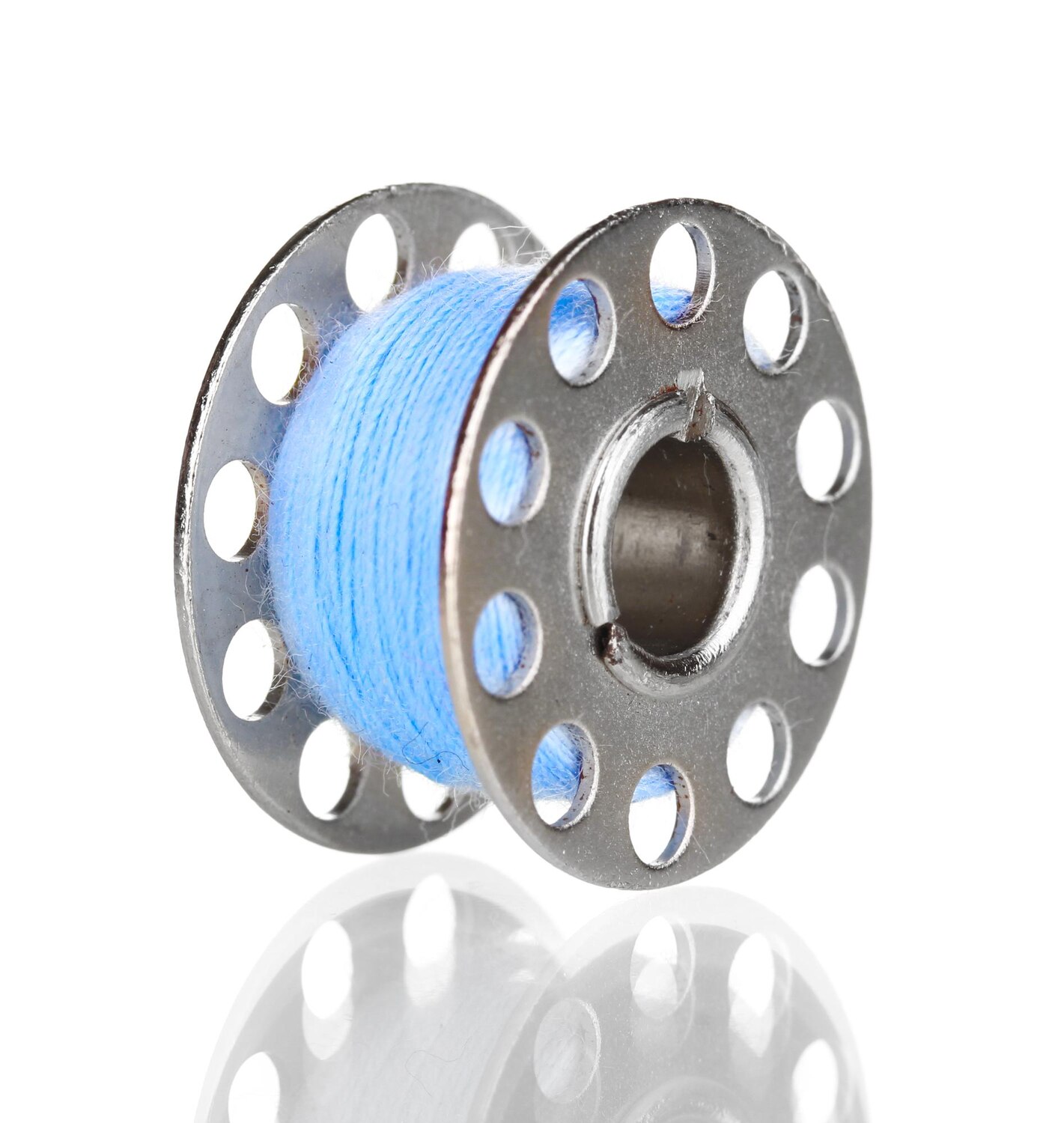
Conductive sewing solutions have revolutionized the approach to antistatic applications, particularly in industries where static discharge can be a significant issue. These innovative solutions incorporate specialized materials that help dissipate electrical charges, reducing potential hazards. One such solution involves using antistatic sewing threads with a metal core, which not only enhances conductivity but also maintains fabric integrity. As technology advances, the demand for efficient and reliable antistatic measures continues to grow.
The role of antistatic sewing thread metal core
Antistatic sewing thread metal core plays a crucial role in mitigating static electricity across various sectors. This type of thread is uniquely designed to provide conductivity while being woven into textiles. Key features include durability, flexibility, and effective charge dissipation. These threads typically consist of a conductive metal filament surrounded by synthetic fibers, creating a balance between strength and conductivity.
The application of these threads is diverse:
- Electronics manufacturing: Prevents damage to sensitive components.
- Healthcare: Reduces the risk of static-induced malfunctions in medical devices.
- Textile industry: Enhances safety in environments prone to static build-up.
Statistics from the International Electrotechnical Commission indicate that approximately 60% of electronic equipment failures are attributed to electrostatic discharge (ESD). Therefore, integrating antistatic sewing thread metal core becomes essential in preventing costly disruptions and ensuring operational efficiency.
Advantages and applications
The integration of antistatic sewing threads with metal cores brings several advantages beyond mere conductivity. Firstly, they enhance the durability of products exposed to high static environments, such as cleanrooms or assembly lines. Secondly, these threads contribute significantly to improving workplace safety by minimizing ESD-related incidents. Lastly, their adaptability allows them to be used in various fabric types without compromising texture or appearance.
In terms of applications, these conductive threads are increasingly being utilized in smart textiles and wearable electronics due to their ability to maintain electrical connectivity without affecting comfort. Additionally, they facilitate advancements in protective clothing for industries like oil and gas, where ESD prevention is paramount.
The versatility and efficacy of antistatic sewing solutions make them an invaluable asset across multiple domains. As industries continue to evolve and adopt more sophisticated technologies, the importance of reliable antistatic measures will only increase.
In conclusion, conductive sewing solutions featuring metal core threads offer a robust response to the challenges posed by static electricity. By enhancing both safety and functionality across various sectors, these innovations underscore the critical role that advanced materials play in modern industrial applications.


